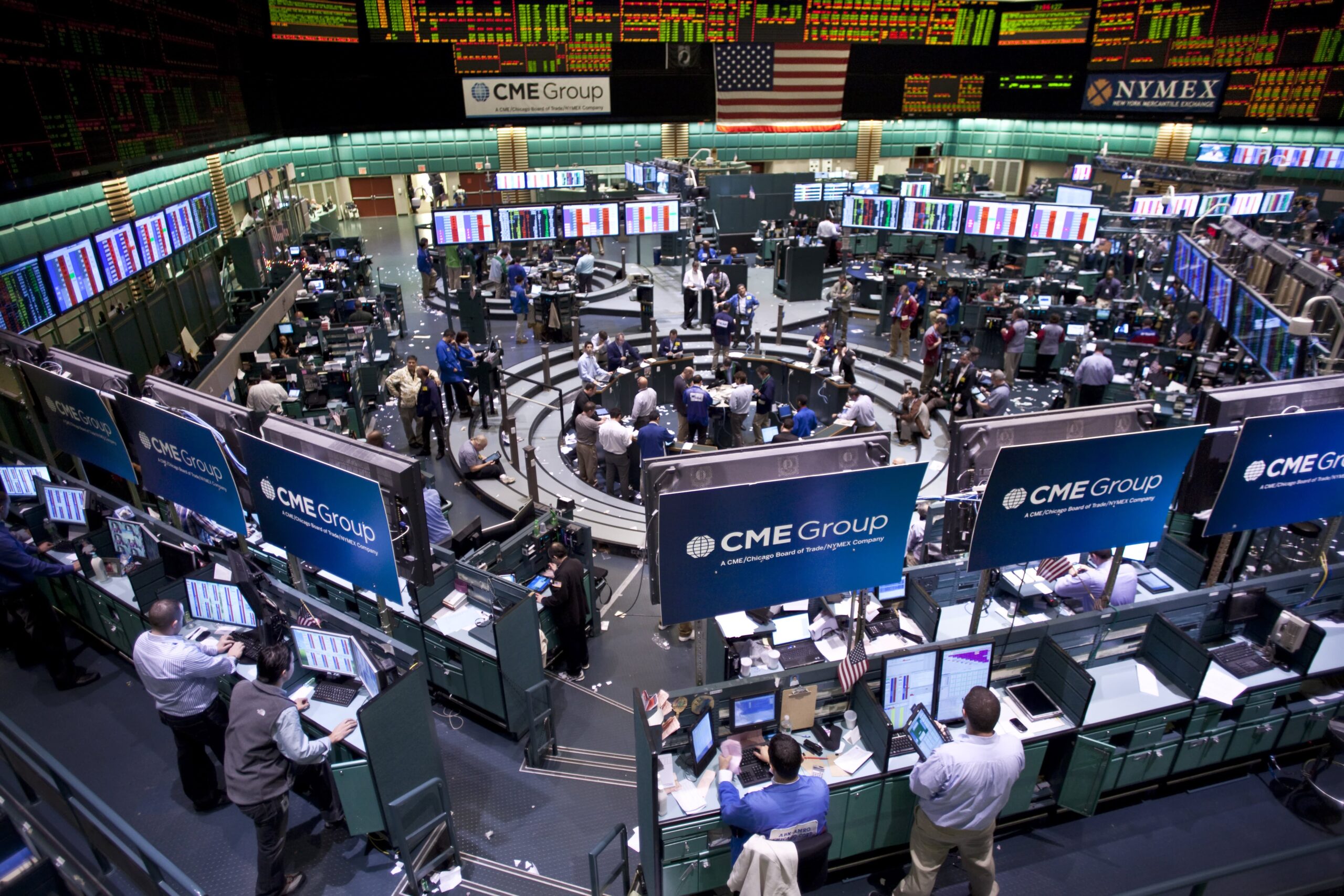
Global financial markets faced a major disruption today after CME Group, the world’s largest derivatives exchange, suffered a significant technical outage. This event caused trading to halt across multiple futures markets and created pricing interruptions for brokers and retail traders worldwide.
This article explains what happened, why it matters, and how traders should respond.
🧯 What Exactly Happened?
CME reported that trading was halted due to a cooling system failure at a key data center operated by CyrusOne.
The issue caused several CME trading engines to stop functioning, which resulted in:
-
Frozen market data
-
Inaccurate or missing price feeds
-
Halts on multiple futures contracts
The affected markets included:
-
COMEX Metals: Gold, Silver, Copper
-
FX Futures: EUR/USD, GBP/USD, USD/JPY, etc.
-
Equity Index Futures: S&P 500, Nasdaq 100, Dow Jones
-
Energy Futures: WTI Crude, Natural Gas
-
Agricultural Futures
Because CME is a primary global marketplace, the outage had a direct impact on liquidity providers and retail brokers around the world.
❄️ How It Affected Retail Traders
Even if you trade via CFD brokers, not direct futures, you may have experienced the following:
-
Charts freezing
-
Prices not updating
-
MT4/MT5 showing “waiting for update”
-
Orders not executing
-
Widened spreads
-
Temporary suspension of certain instruments (gold, indices, oil)
This is normal because most CFD brokers rely on pricing from futures markets — especially COMEX and CME.
🌍 Why This Incident Matters
CME plays a critical role in global price discovery. When it goes down:
-
Liquidity dries up
-
Price transparency disappears
-
Risk increases across all related markets
-
Brokers limit or suspend trading to protect clients
A CME outage is rare, but when it happens, it affects nearly every trader in the world.
🔥 What Traders Should Expect Next
When CME restores its systems and trading resumes, expect:
-
Sharp volatility
-
Possible price gaps
-
Delayed orders being executed
-
Irregular spread behavior
-
Quick movements as liquidity returns unevenly
It is important to stay cautious during the first 30–60 minutes after the market reopens.
🛡️ Risk Management Advice During Exchange Outages
Here are practical precautions traders should follow:
-
Avoid opening new high-risk positions
-
Do not repeatedly press Buy/Sell (orders may queue)
-
Delay modifying stop loss/take profit aggressively
-
Reduce lot size if trading is necessary
-
Take screenshots if you encounter unexpected behaviour
-
Wait for normal liquidity conditions before re-entering the market
📌 Final Thoughts
The CME outage is a technical issue at the exchange level, not caused by your broker.
Such incidents are uncommon, but they remind us that even the world’s most advanced financial systems can experience downtime.
Staying informed and managing risk wisely will help traders navigate situations like this safely.
📊 Stay Updated with Petra Traders
Visit www.petratraders.com
#PetraTraders #WorldNews #FundamentalAnalysis #TraderCommunity